

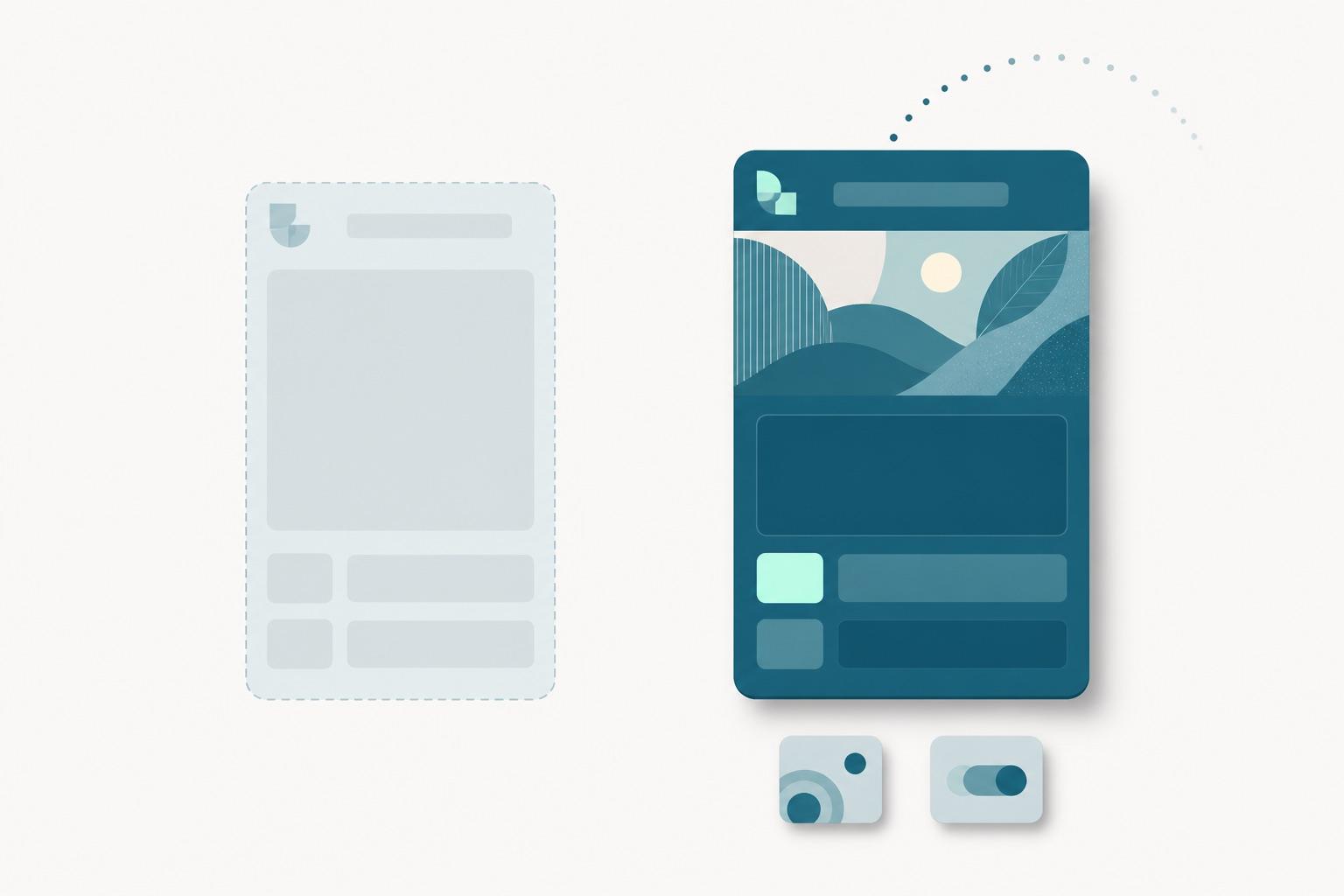
NFC identification is the act of recognizing a member from a tap: the phone or watch touches a reader, the wallet pass transmits its identifier, and the point of sale knows who is standing at the till. On payment terminals that support it, the identification happens in the same tap as the payment, which removes the "do you have our card?" moment entirely.
Under the hood, two protocols carry the tap: Apple VAS on iPhone and Apple Watch, and Google Smart Tap on Android. A properly configured reader speaks both, so the till has one tap target for every member. The payload is encrypted per merchant, so a pass identifies its member only to readers that hold the right keys.
What makes NFC identification valuable is where it sits in the flow. Loyalty programs traditionally leak at the till: the member exists, but the purchase is never connected to them. A tap that identifies and pays at once closes that leak without training staff or slowing the queue.
NFC is one of two equal identification routes, not the premium tier. A pass can also carry a QR code or barcode, and QR and barcode identification works on scanners merchants already own. The right route is decided by the hardware at each till, and a program should run both without treating either as a compromise.