

Ask a marketer what push notifications cost and they will describe an app: the build, the store listings, the opt-in prompt most people decline, and the uninstall that ends the relationship. Ask them what a wallet pass can do and most will describe a barcode.
Both answers miss the same fact. Every pass in a customer's wallet is a push channel. Change something on the pass, and the phone can tell the customer about it, on the lock screen, in the customer's language of notifications, without a single app installed. It is the most direct messaging surface most brands already own and do not use.
How an update becomes a message
A wallet pass is not a static image. It is a small live document that the wallet keeps current. When something changes on your side, the flow looks like this:
- Your system updates the pass: a new points balance, a new tier, a new offer on the back.
- The platform tells the wallet that the pass has changed, and the wallet fetches the fresh version.
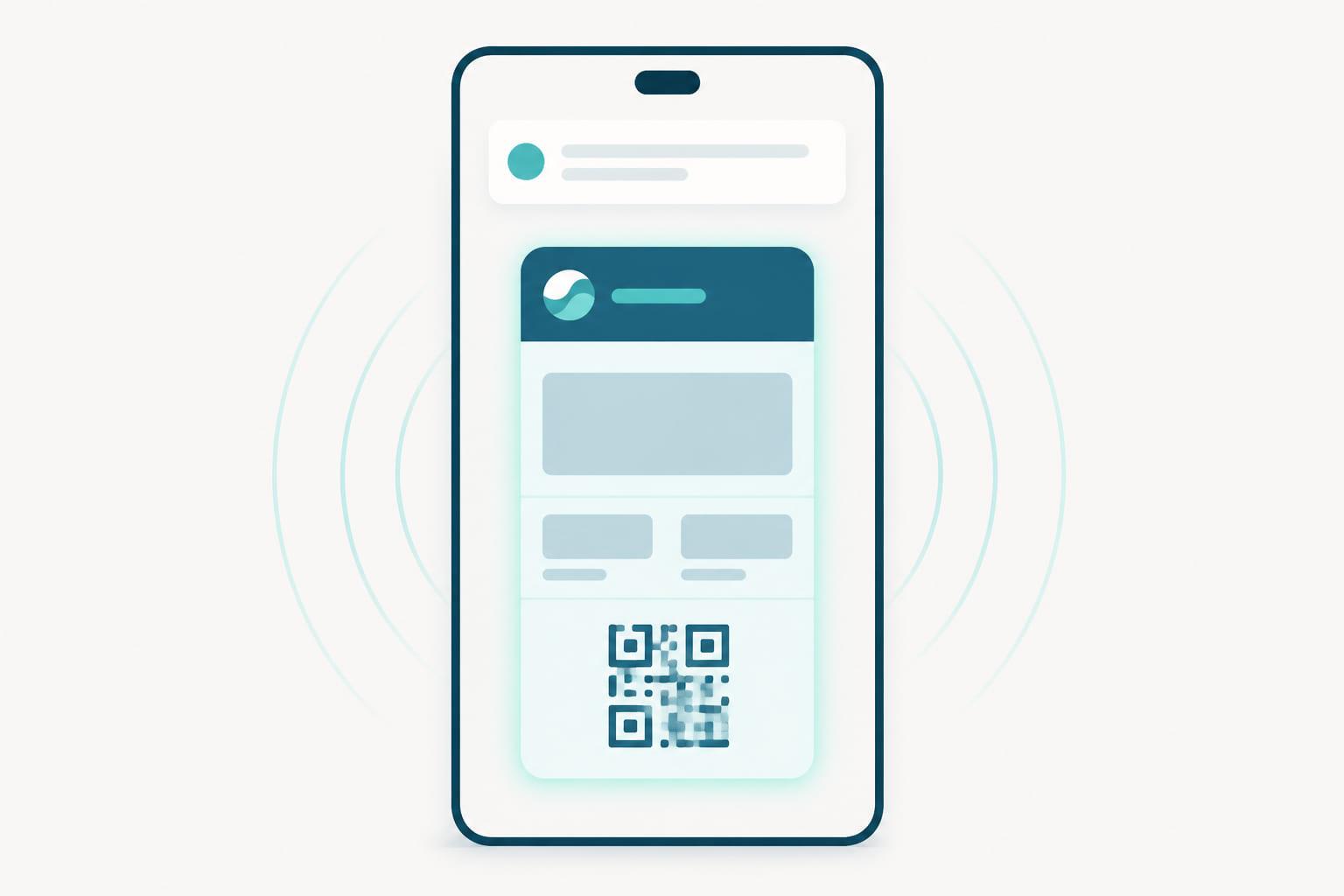
- If the changed field is marked as worth announcing, the phone shows a notification: your logo, your message, on the lock screen.
On Apple Wallet this is the changeMessage mechanism: a field can carry a template like "You now have %@ points", and when its value changes, the phone renders the message. Google Wallet has its own equivalent for notifying on object updates. The details differ; the customer experience is the same. The pass they carry speaks when something meaningful happens.
Why this beats the channels you pay for
The comparison is stark once you line it up:
- Email lands in a folder, competes with everything else, and is read hours or days later, if at all.
- SMS is immediate but costs money per send, and every message spends a little of the goodwill that keeps the customer from replying STOP.
- App push is immediate and free, but only for the fraction of customers who installed the app, accepted the prompt, and have not yet turned notifications off.
- A pass update is immediate, free per send, and reaches everyone who holds the pass. There is no separate opt-in step to decline, because the customer opted in by adding the pass, and there is no app to uninstall.
There is a subtler advantage too. A pass notification is anchored to something real. "Your balance is now 240 points" is not marketing; it is a statement about the customer's own account. Messages like that get read because they are information, not interruption.
What to announce, and what not to
The channel stays powerful only if you respect it. A pass that announces everything trains the customer to swipe it away, or worse, to remove the pass. The line that works:
- Announce changes to the customer's own state. Points earned, tier reached, reward unlocked, stamp collected. These are always welcome because they are always about the customer.
- Announce time-bound value. An offer loaded onto the pass with a real expiry is worth a message. An evergreen "check out our range" is not.
- Update silently everything else. Copy changes, design refreshes, back-field housekeeping. The pass should stay current without ceremony.
A useful test: would the customer have wanted to know this within the hour? If not, update the pass and say nothing. The wallet rewards restraint with attention.
How often a pass can notify
The wallets set their own ceiling, and it is lower than most marketing calendars. Google Wallet's developer documentation caps notification-triggering messages and field updates at three per pass in any 24 hours, and says delivery may be throttled beyond that. Apple's documentation for updating passes publishes no daily number: the update push carries an empty payload, and the lock-screen alert appears only when the changed field has a change message.
So the limit that matters is the customer's patience, not the wallet's quota. Keep announcements to a few a week at most, and let a frequency cap hold automations to that line. The updates and push platform page covers how a change lands on each wallet.
The lock screen is the loyalty surface
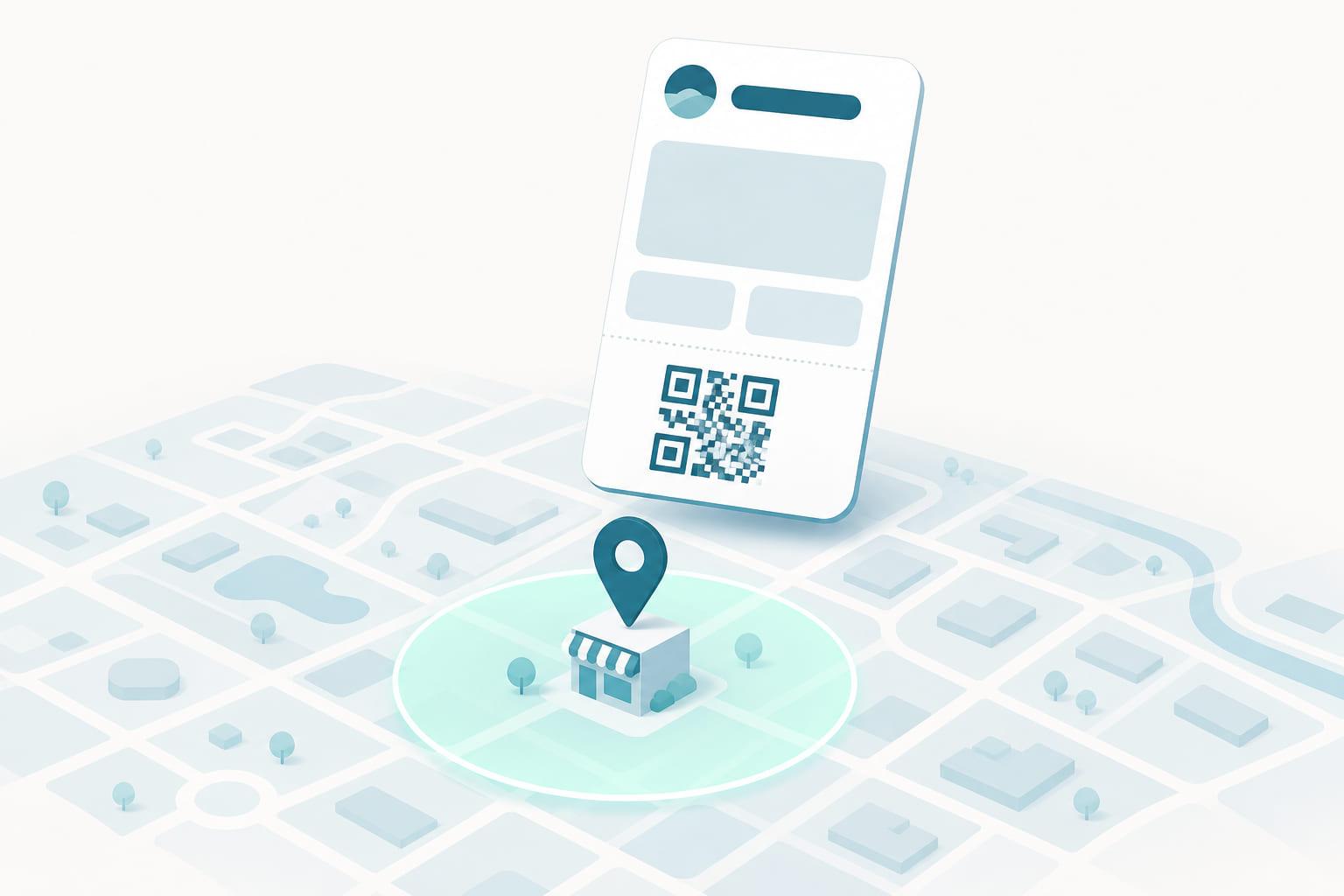
Combine this with what passes already do with relevance, and the picture completes. Location can surface the pass when the customer is near a store, and an update can surface it when something happens in the program. Between visits, the pass is silent and costs the customer nothing. At the moments that matter, it is the first thing on the screen.
That rhythm, present when relevant and invisible otherwise, is what apps promise and rarely deliver, because an app needs engagement to justify itself. A pass does not. It can go quiet for a month and lose nothing.
What this asks of your platform
None of this works from a pass generator that signs a file and walks away. Notifications ride on the update pipeline: device registrations, versioning, and delivery across every wallet, at whatever scale your program reaches. It also needs to be wired to your data, because "your balance changed" requires knowing the balance changed, the moment it did.
This is the pipeline Stell runs. The portal is where you decide what a change says, your CRM or POS is where the change originates, and the pass in the wallet is where it lands, updated and announced within moments, whether the program has a hundred members or a million. If you are paying per SMS to tell customers about points they earned, the cheaper, better channel is already in their pocket. Book a demo and watch a balance change reach a lock screen.