

Every program obsesses over enrollment, and for good reason: no members, no program. But the quiet truth of loyalty is that the economics live in retention. A member who stays active for years is worth far more than a stream of joiners who lapse after one visit, and keeping someone is almost always cheaper than winning their replacement.
Retention is not a campaign you run once a quarter. It is the sum of small, structural choices about how the membership feels to hold. Here are ten tactics that work, and why a wallet pass is the natural place to run most of them.
1. Deliver value in the first week
Lapse risk is highest right after joining, before the membership has done anything for the member. Do not save the first reward for visit ten. A welcome perk, a starter stamp, or an immediate small discount gives the member a reason to come back while the join is still fresh, and turns the second visit, the hardest one, into the easy one.
2. Make the membership effortless to use
Every bit of friction at the moment of use erodes retention. A member who has to find a plastic pass, remember a login, or recite a phone number will eventually stop bothering. A wallet pass removes the friction: it lives on the phone the member already carries, and identifying is a tap or a scan. The easiest membership to keep using is the one that takes no effort to use.
3. Show progress, always
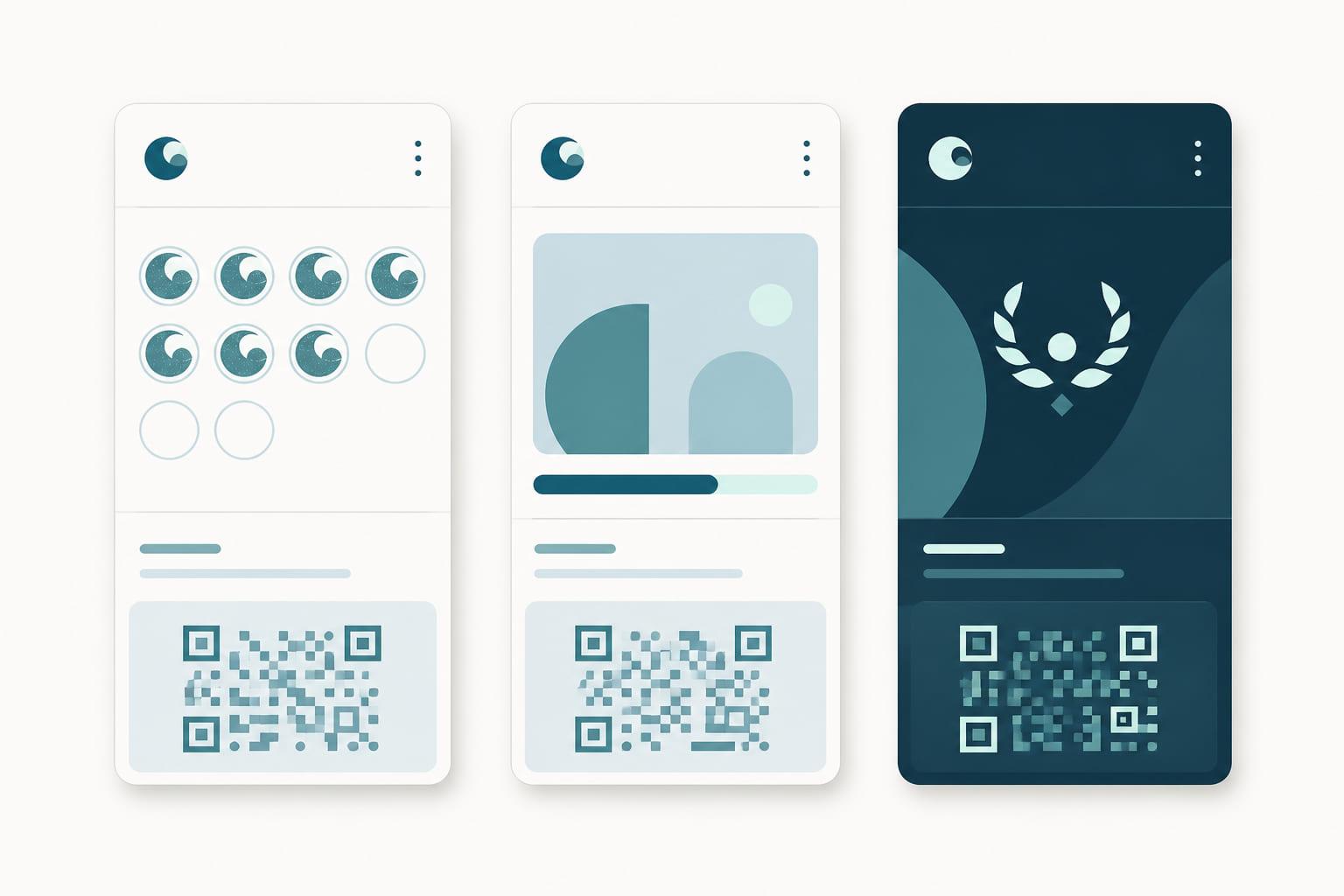
People finish what they can see themselves finishing. A stamp count, a points balance, a distance-to-next-reward: visible progress is one of the oldest and most reliable retention mechanics there is. The pass is the right surface for it, because it updates live. The member watches the balance grow on the thing they used to earn it.
4. Use tiers to give status something to protect
Tiers work twice. Climbing one is a goal; holding one is a habit. A member with silver status has something a new joiner does not, and people are reliably reluctant to lose what they have. Keep the ladder short and the benefits real, and show the tier on the pass, where it reads as identity rather than as a database field. Choosing between stamps, points and tiers is its own decision.
5. Reach out when it matters, not on a schedule
The blast email is where memberships go to die. Retention messaging earns attention by being specific: your reward is ready, your points expire this month, something new arrived in the category you buy. A pass update can carry exactly this kind of message to the lock screen, through a channel you own, and because it comes rarely and matters personally, it keeps its welcome.
6. Be relevant in the moment
The best retention message is the one that arrives when acting on it is easy. A pass can surface on the lock screen near your store or at the right time, which is a fundamentally different thing from a notification that interrupts someone's evening at home. Relevance in place and time turns a reminder from noise into a service.
7. Reward behavior beyond spending
Programs that only reward transactions teach members the relationship is only transactional. Recognize the other things you want more of: a referral, a review, a birthday, attendance at an event, trying a new location. These touches are cheap, they widen the set of reasons to engage, and they make the membership feel like a relationship rather than a rebate scheme.
8. Catch the lapse early
By the time a member has been gone six months, they are a stranger. The window that matters is the first deviation from their own pattern: the weekly customer who has missed three weeks, the regular whose balance stopped moving. Because every pass interaction is data in one place, the pattern break is visible early, and a single well-timed nudge, a small "we miss you" perk on the pass, costs almost nothing against the price of losing them.
9. Keep the pass alive
A pass that never changes goes stale in the wallet, and a stale pass is a quiet unsubscribe. Seasonal design refreshes, a rotating offer field, an updated "what's on" line: small signs of life tell the member the program is running and worth a look. This is pass lifecycle management doing retention work: the pass should always look like something is happening, because something should be.
10. Measure retention like you mean it
You cannot keep what you do not count. Pick the numbers that describe staying, active members by month, repeat-visit rate, time between visits, redemption rate, and watch them by cohort, because a change in this month's joiners takes months to show up in the averages. When a tactic moves the cohort curve, do more of it; when it does not, stop. Retention rewards honesty about which of these ten actually work for your audience.
The pattern underneath
Look back through the list and one thing repeats: nearly every tactic depends on a membership that is present, current and connected. Present, so using it is effortless. Current, so progress, tiers and offers are always true. Connected, so the program sees behavior early enough to respond. That is a description of a live wallet pass, and it is why programs built on passes find retention tactics cheaper to run than programs built on plastic or on an app most members never open.
This is how Stell is built. Passes stay live in Apple Wallet and Google Wallet, every balance, tier and offer updates in place, and the portal shows you activity and lapse patterns while there is still time to act on them, with member data synced to the CRM you already run.
If your program is good at winning members and worse at keeping them, that gap is the cheapest growth you have. A demo is a fast way to see what closing it looks like.