

Boarding passes that keep up with the journey
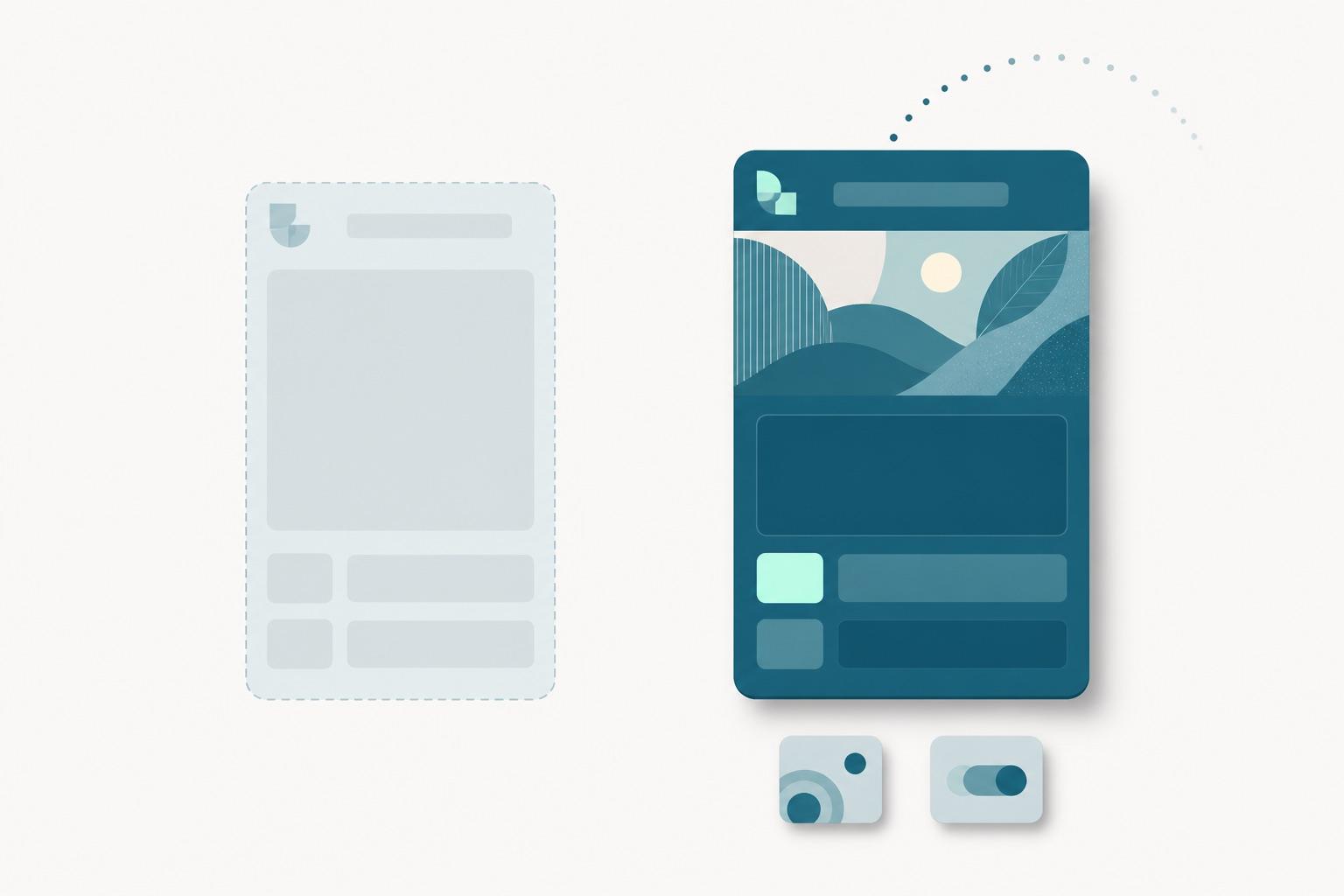
A boarding pass in the wallet carries gate, seat and departure, surfaces itself as the trip approaches, and updates the moment something changes. It works offline at the gate and follows to the paired watch.

 GateB12GateB12
What the pass does
Issued at check-in
The pass is delivered at check-in from your app, website or confirmation email, added in one tap. A whole booking can be added at once, so every traveller's pass lands together.
Scanned or tapped at every checkpoint
Security and boarding validate the pass with a barcode or QR scan, or an NFC tap where readers support it. The pass and its code are stored on the device, so a dead connection in the terminal is not a problem.
Changes reach the traveller first
Gate changes, delays and seat updates are pushed to the pass in seconds, with a message on the lock screen. On Apple Wallet, Live Activities can keep flight status on the lock screen through the journey.
There when it matters, gone after
Time and location relevance surface the pass at the airport and ahead of departure. After the flight, the pass expires and archives itself out of the active list.
The life of a boarding pass
From the record it is created out of to the day it retires itself, with nobody having to think about it in between.
Issued at check-in
The pass is delivered from your app, website or confirmation email and added in one tap. A whole booking can go through a single link.
Ready at the airport
Time and location relevance bring the pass to the lock screen ahead of departure and when the traveller reaches the terminal.
Read at every checkpoint
Security and boarding scan the code, or take an NFC tap where the reader supports it. The pass is stored on the device, so no signal is needed.
Updated before the board is
Gate changes, delays and seat moves are pushed to the pass with a lock-screen message. After the flight it expires and archives itself.
What every field is doing
The pass shown here is one example. A wallet pass has room for a handful of fields, and the template decides which of them carries what, so treat this as a starting point rather than a rule.
GateB12Example layout
The airline
Logo text and artwork, so the right pass is found instantly in a wallet that may hold four of them for one trip.
Gate
The field that changes most and matters most, in the header field at the top of the pass.
Departure
The time the whole day is organized around, in the largest type on the face.
Seat
Beside the departure time, because they are checked in the same glance at the gate.
Route and boarding time
Origin, destination and when boarding starts, on the one line that gets read while walking.
Scanned at the checkpoint
The code is stored on the device, so security and boarding work with no connection at all. NFC does the same where the reader supports it.
What it replaces
The wallet pass is not a nicer version of the old artifact. It is the same job, done by something that can be updated after it is handed over.
- Printed the night before, or queued for at the desk
- A gate change nobody sees until the board
- A PDF that needs a connection to open
- One pass per traveller, found one at a time
- On the phone at check-in, and on the paired watch
- Gate and time changes pushed with a lock-screen message
- Stored on the device and scannable offline
- A whole booking added through one link
Who runs this pass
The same pass type, shaped by what happens at the counter.
Airlines
Check-in to gate on one pass that updates itself, with Live Activities keeping status on the lock screen through the journey on Apple Wallet.
Rail and coach
A ticket that surfaces at the platform, scans offline in a tunnel, and carries the seat reservation with it.
Ferries and cruise
Boarding documents in the wallet for every traveller on the booking, updated when the departure or the berth changes.
The pass is also the channel
Engage, Stell's messaging module, sends through the pass the customer already carries. No app install, no rented inbox.
Disruption belongs on the pass
A gate change or a delay is a pass update with a change message, which reaches the traveller without competing with marketing in an inbox.
Segments for the journey
Build an audience from wallet type or the tags and attributes on the contact, and see the estimated reach before a campaign sends.
A cap that protects the important message
The frequency cap keeps automations from crowding the one notification a traveller genuinely needs to see.
Boarding passes, answered
- Does a wallet boarding pass work without a connection?
- Yes. The pass and its barcode are stored on the device, so it can be scanned at security and boarding with no signal.
- What happens when the gate or departure time changes?
- The update is pushed to every issued pass in seconds and can appear as a message on the traveller's lock screen.
- How are passes handled for a whole booking?
- Each traveller on the booking gets their own boarding pass, added from the same confirmation page or email, so the pass and the person it belongs to stay tied together at the gate.
- Can a boarding pass be used on a smartwatch?
- Yes. Passes follow to a paired Apple Watch or Wear OS watch, which is often easier than finding a phone at the gate.
- What happens to the pass after the journey?
- It expires and archives itself out of the wallet's active list, so the traveller is not left scrolling past last month's flights.

A number for your program.
Tell us what you issue and where it is scanned. A specialist replies with a quote, what it covers, and the integration work we take on.
- Apple Wallet and Google Wallet included
- NFC and QR/barcode identification, both first-class
- Terminal and loyalty-platform integration done by us
Prefer to see it first? Book a demo instead.