
Watch a queue at any till and you will see the same scene: a cashier asks "are you a member?", the customer says no, and the cashier, with a line building behind them, has a choice. Pitch the program and slow everyone down, or let the moment pass. The moment almost always passes.
This is the enrollment problem, and it is quietly the biggest leak in most loyalty programs. Not churn, not redemption rates: the members you never signed up at all. Every unidentified transaction is a customer who chose you, paid you, and walked out as a stranger.
Why the usual moments fail
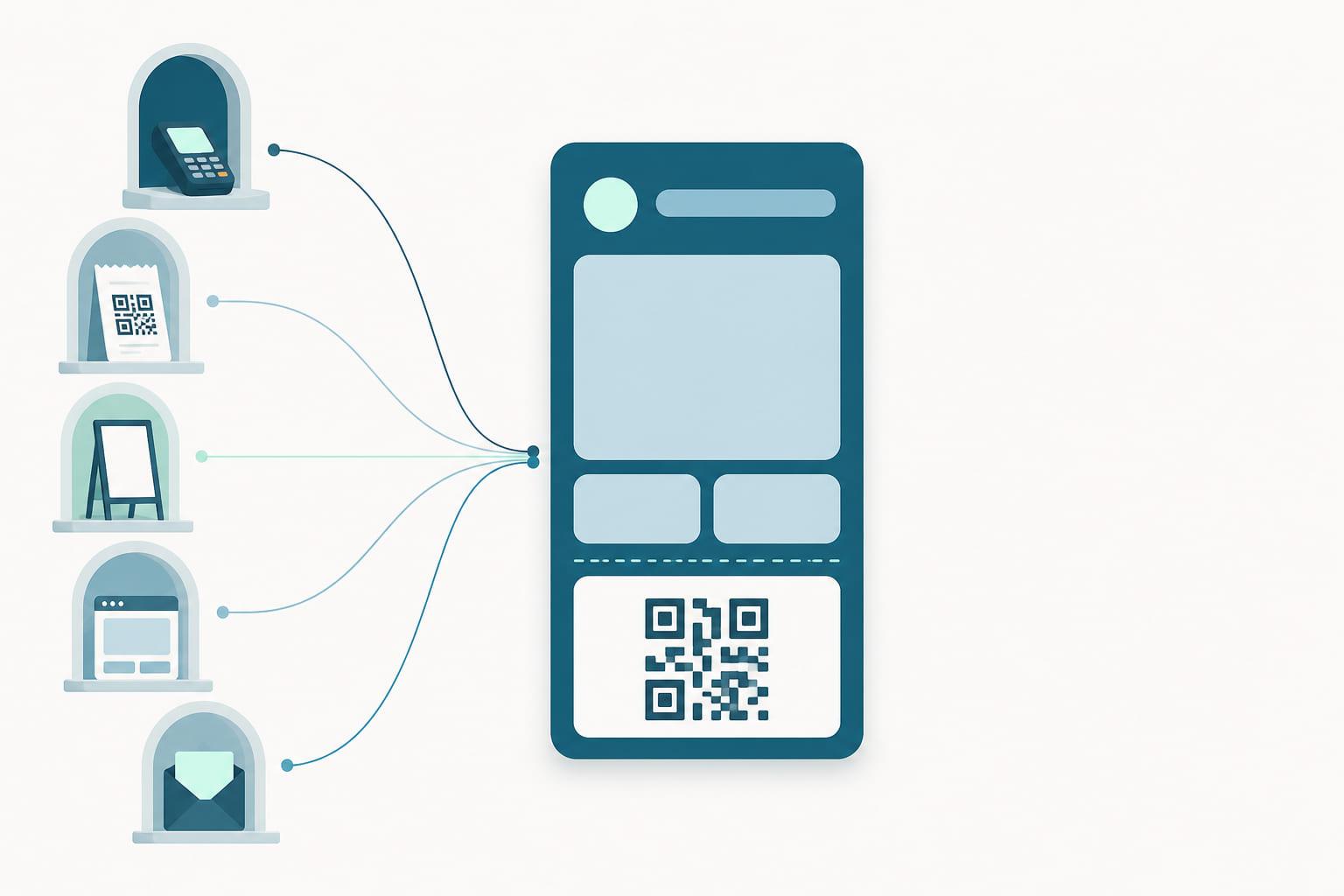
Look at where programs typically ask people to join, and compare them with the full set of enrollment channels available to a pass:
- At the till, before payment. The worst possible timing. The customer wants to leave, the queue is watching, and joining means a form, a phone number recited out loud, or an app download on the spot. Everyone involved wants it over.
- On the website. Reaches the customers who were already looking for you: your most engaged segment, the ones least in need of an incentive to return.
- Through campaigns. Paid reach, asking people to join a program for a store they may not have visited yet. The offer is abstract because the relationship is.
What all three have in common: they ask before or apart from the purchase, when the customer's interest in you is theoretical. There is one moment when it is not.
The moment that works
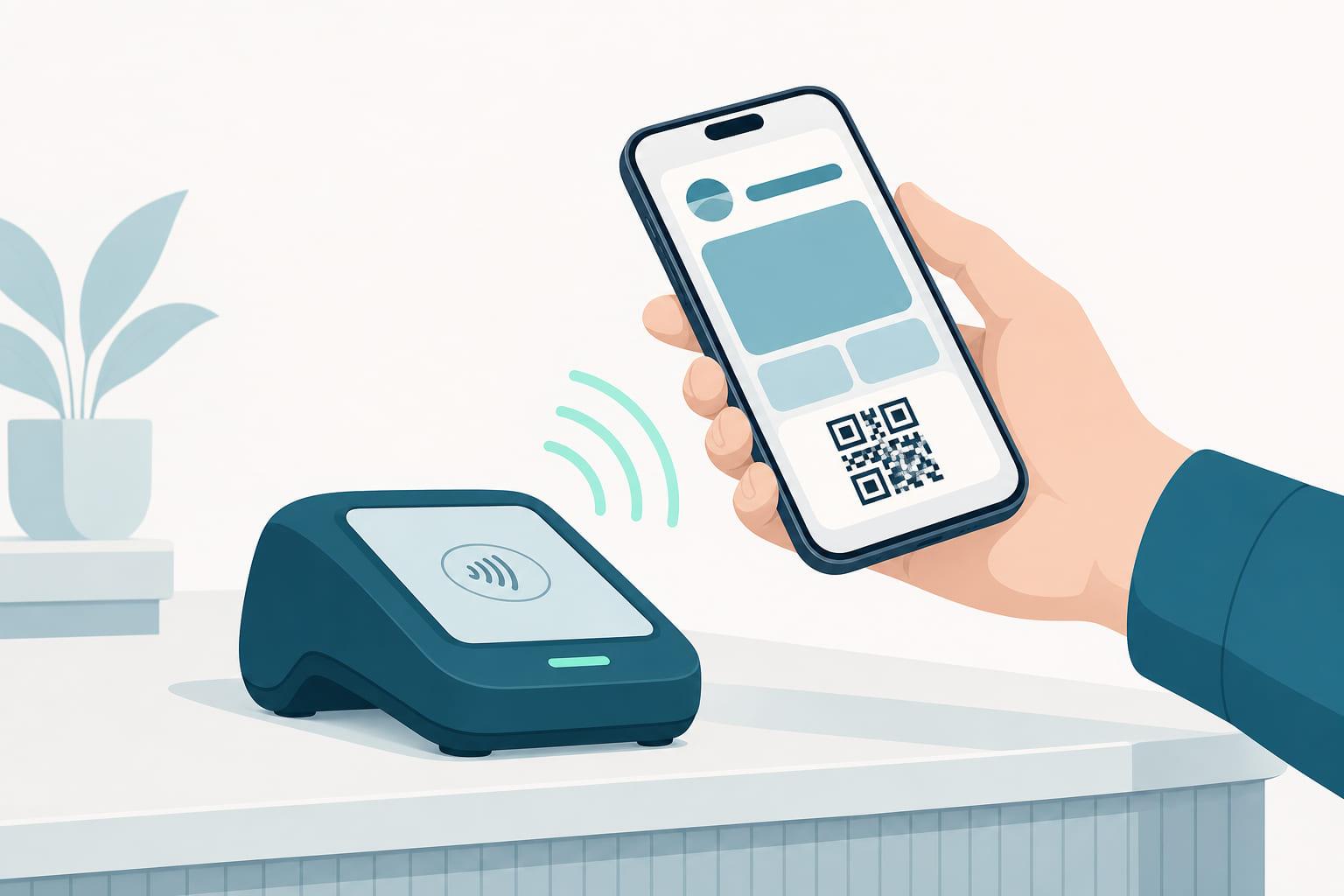
The seconds after payment are different in kind. The customer has just chosen you, spent money with you, and (crucially) is still standing there with their phone in hand, because their phone is how they paid.
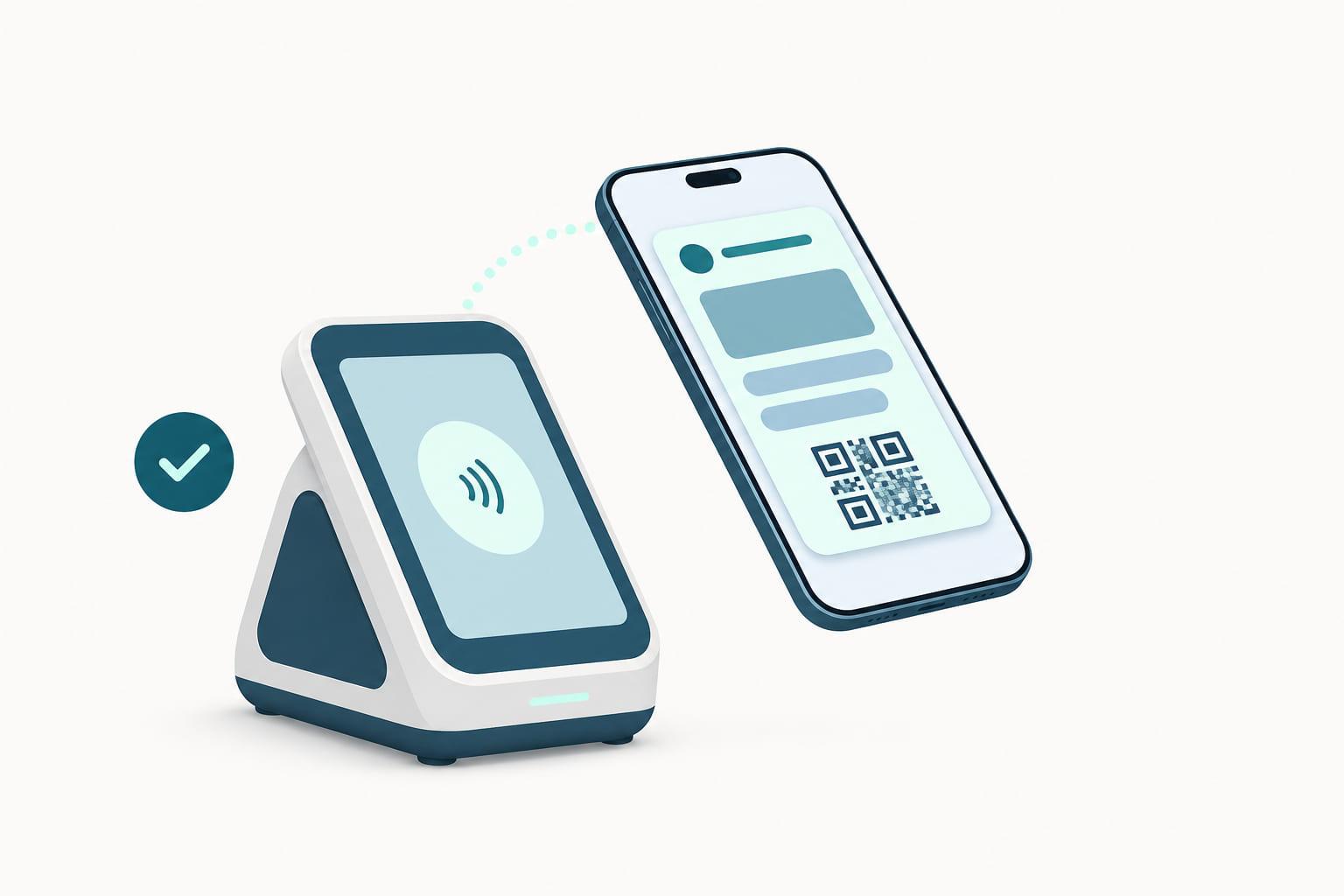
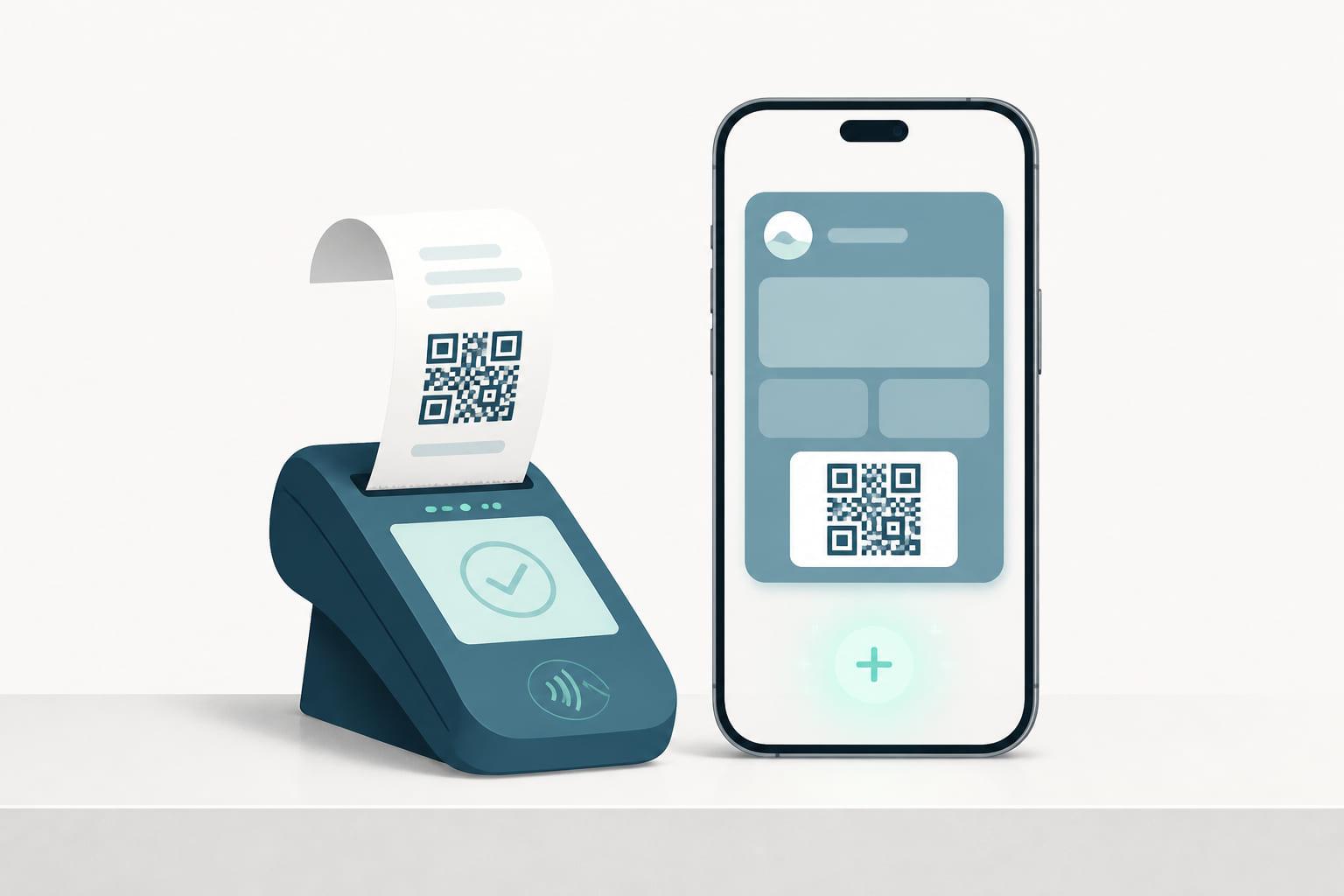
Post-purchase enrollment uses that moment. When a customer pays contactlessly and is not yet a member, the terminal flow can offer enrollment on the spot: a prompt on their own phone that adds your pass to their wallet. No form. No email recital. No app store detour. The purchase they just made can even count as their first earning event, so the program starts working before they reach the door.
The psychology does the heavy lifting. This is not an interruption before a purchase; it is a small reward after one. "You just spent 40 with us, get points for it" is a fundamentally easier proposition than "join our program," because it attaches to something that already happened rather than to a promise about the future.
This is the moment Stell is built around. The platform connects to the payment terminal flow so the invitation appears automatically when a non-member pays, and the pass that lands in their wallet is a live one: connected to your loyalty program, ready to identify them on the next visit, by tap or by scan.
What changes operationally
For staff, nearly nothing, which is the point. Nobody has to pitch, spell out an email address, or hold up a queue. The invitation happens in the payment flow the customer was already in, on the customer's own screen. Your busiest stores, where staff-led enrollment fails hardest, become your best enrollment channels precisely because volume is what they have.
For your data, everything changes at the root. A member enrolled at the till starts with a purchase already attached: you know their first transaction, their store, their day and time. Compare that to a web signup, which is an email address and a promise. One is a relationship with history; the other is a row in a table.
And because Stell syncs with your CRM, that first transaction does not sit in a silo. The new member arrives in your system of record with their history attached, ready for the same segmentation and automation as everyone else. Enrollment at the till is not a separate database; it is your existing program growing at its fastest edge.
Making the invitation land
Post-purchase enrollment is a mechanism, not magic. A few things separate programs where it works from programs where it is ignored:
- Make the first screen the whole pitch. One line, one benefit, one button that ends in the wallet. If the flow has a second page, it is too long.
- Credit the purchase they just made. The difference between "join for future benefits" and "collect what you just earned" is the difference between marketing and money.
- End on the lock screen, not in an inbox. The success state is the pass in the wallet: visible, tappable, already useful on the next visit. An email that says "complete your registration" reintroduces the funnel you just removed.
- Let the pass carry the relationship from there. Once the pass is in the wallet, updates and lock-screen messages continue the conversation without asking anything more of the customer. Their points balance stays current, their tier updates the moment it changes, and your next offer arrives on a surface they already carry.
The compounding effect
Enrollment is a rate applied to your entire transaction volume. Improve it, and everything downstream inherits the gain: more identified transactions, better data, a larger reachable audience, compounding daily, at your highest-intent moment, with no media spend.
It compounds twice, in fact. Each new member makes future visits identifiable, and each identified visit feeds the data that makes your program smarter. The till stops being just where value is exchanged and becomes where the relationship starts, one payment at a time.
Most loyalty investment goes into the program: the rewards, the tiers, the campaigns. All of it only works on the people who joined. The moment after payment is where they join. Stell exists to stop that moment passing. If you want to see the flow on a real terminal, book a demo; it is a short one, because the whole point is that it takes seconds.